


Understanding the Statute of Limitations for Injury Claims in California
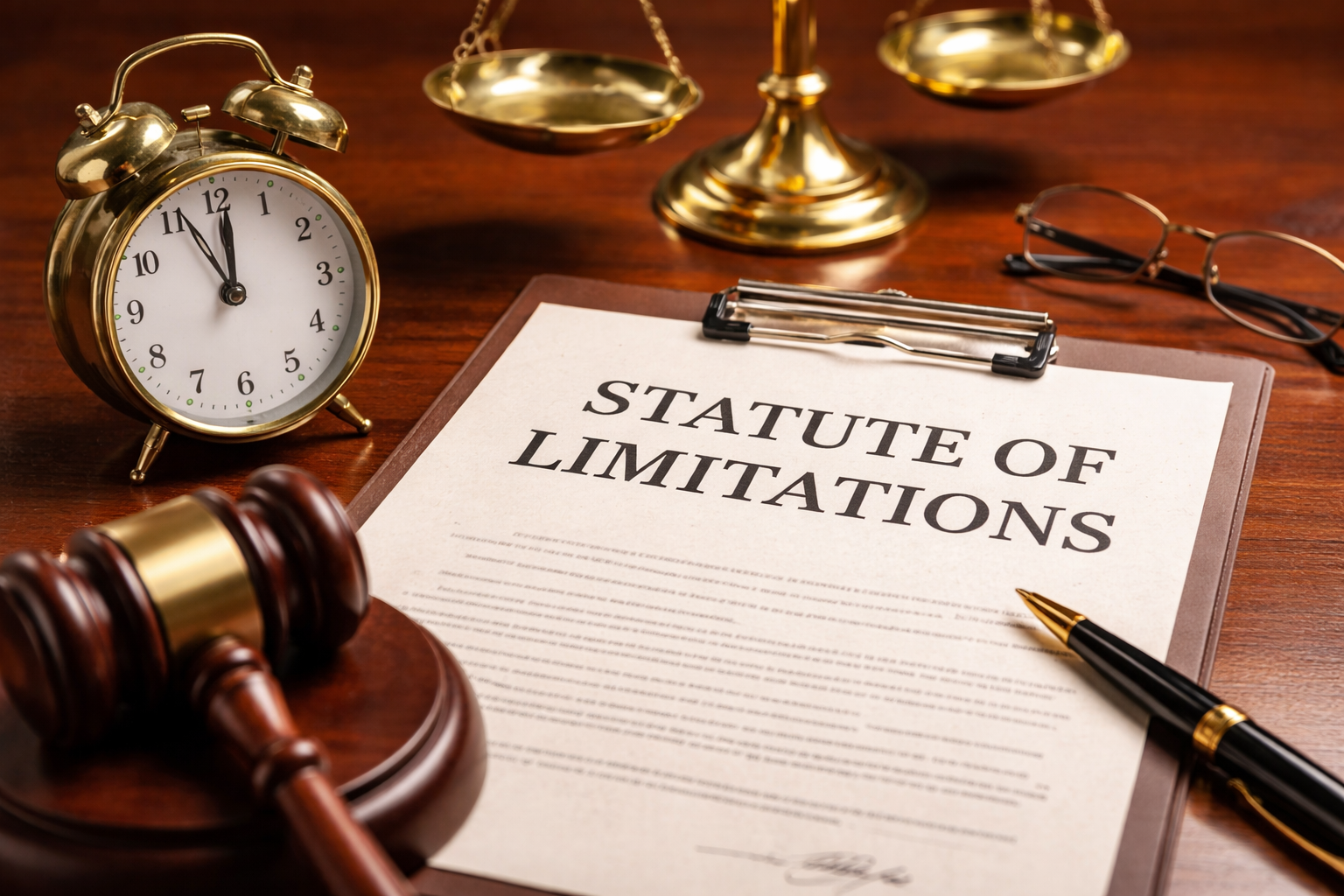
If you were injured in an accident, one of the most important legal questions is: how long do you have to file a claim?
California law sets strict deadlines for injury cases, known as the statute of limitations. These deadlines determine how long you have to file a lawsuit after an accident or injury occurs.
Missing the deadline could prevent you from recovering compensation for medical bills, lost wages, and other damages. Understanding the statute of limitations in California is essential for protecting your legal rights.
If you were injured due to someone else’s negligence, speaking with a California personal injury lawyer early can help ensure you don’t miss critical filing deadlines.
Quick Answer: What Is the Statute of Limitations in California?
In most cases, the statute of limitations for personal injury claims in California is two years from the date of the injury.
However, certain cases have different deadlines:
- General personal injury: 2 years from the injury date
- Wrongful death: 2 years from the date of death
- Medical malpractice: 3 years from the injury or 1 year from discovery
- Claims against government entities: 6 months to file a claim
- Property damage: Usually 3 years
Because exceptions can change these timelines, it’s important to evaluate your case carefully.
What Is a Statute of Limitations?
A statute of limitations is a law that sets a deadline for filing a lawsuit after an injury or legal dispute occurs.
These deadlines exist to ensure that:
- Evidence remains available
- Witnesses can recall events accurately
- Legal disputes are resolved within a reasonable time
If a lawsuit is filed after the statute of limitations expires, the court will usually dismiss the case. This means the injured person may lose the opportunity to recover compensation.
General Personal Injury Deadline in California
For most injury cases, California law allows two years from the date of the accident or injury to file a lawsuit.
This deadline typically applies to cases involving:
- Car accidents
- Slip and fall accidents
- Motorcycle accidents
- Truck accidents
- Pedestrian accidents
- Dog bites
- Premises liability claims
In these situations, injured victims must file their lawsuit within the two-year window or risk losing the right to pursue compensation.
Statute of Limitations for Wrongful Death
When an accident results in the loss of a loved one, surviving family members may be able to file a wrongful death claim.
In California, wrongful death lawsuits must generally be filed within two years of the date of death.
Compensation in wrongful death cases may include:
- Funeral and burial expenses
- Loss of financial support
- Loss of companionship
- Emotional suffering
These cases can be legally complex, so understanding the applicable deadlines is critical.
Medical Malpractice Deadlines
Medical malpractice claims follow different rules than other personal injury cases.
In California, the statute of limitations is generally:
- Three years from the date of injury, or
- One year from the date the injury was discovered
Whichever deadline occurs first usually applies.
Because medical malpractice cases often involve delayed discovery of injuries, determining the correct filing deadline can be challenging.
Claims Against Government Entities
If your injury involves a government agency, the filing deadline is much shorter.
You must typically file a government claim within six months of the incident before you can pursue a lawsuit.
Examples of cases involving government entities may include:
- Accidents involving city buses or public vehicles
- Injuries caused by dangerous road conditions
- Accidents on government property
Failing to submit the required government claim within six months may prevent you from pursuing compensation.
Property Damage Claims in California
Property damage claims often follow a different timeline than personal injury cases.
In most situations, California law allows three years from the date of the incident to file a property damage lawsuit.
Property damage claims may include:
- Vehicle damage from a car accident
- Damage to personal belongings
- Damage to structures or buildings
Even though the timeline is longer, evidence may become harder to obtain if the claim is delayed.
The Discovery Rule in California
In some cases, injuries are not immediately apparent.
California law recognizes the discovery rule, which means the statute of limitations may begin when the injury is discovered or reasonably should have been discovered.
This rule may apply to cases involving:
- Traumatic brain injuries
- Internal injuries
- Certain medical malpractice claims
- Toxic exposure cases
Because these situations can be complicated, determining when the clock starts often requires careful legal evaluation.
When the Statute of Limitations May Pause (Tolling)
In certain situations, the statute of limitations may temporarily pause. This is known as tolling.
Common situations where tolling may apply include:
Injured Minors
If the injured person is under 18 years old, the statute of limitations may not begin until they reach adulthood.
In many cases, they then have two years from their 18th birthday to file a lawsuit.
Mental Incapacity
If the injured person is mentally incapacitated, the statute of limitations may pause until they regain legal capacity.
Defendant Leaves the State
If the person responsible for the injury leaves California for an extended period, the statute of limitations may pause until they return.
What Happens If You Miss the Deadline?
Failing to file a lawsuit before the statute of limitations expires can have serious consequences.
In most cases:
- The court will dismiss the case
- The injured person loses the right to pursue compensation
- Insurance companies may refuse to negotiate
Because missing the deadline can permanently affect your claim, acting early after an accident is important.
Why Speaking With a California Personal Injury Lawyer Matters
Understanding the statute of limitations can be complicated, especially when exceptions or special circumstances apply.
A California injury lawyer can help evaluate your case and determine the correct deadline for filing your claim.
Legal guidance may help with:
- Investigating the accident
- Gathering evidence
- Identifying all liable parties
- Filing your claim within the required timeframe
Taking action early helps preserve evidence and strengthens your case.
Contact Stanley Law to Discuss Your Injury Claim
If you were injured in an accident, understanding the statute of limitations in California is essential to protecting your legal rights.
The team at Stanley Law helps injury victims understand their options and pursue compensation for medical expenses, lost income, and other damages.
If you’re unsure how much time you have to file your claim, speaking with a lawyer can help you understand the next steps.
Contact Stanley Law today to schedule a consultation.
Frequently Asked Questions
What is the statute of limitations for personal injury in California?
In most cases, the statute of limitations for personal injury claims in California is two years from the date of the injury.
How long do you have to file a wrongful death claim in California?
Wrongful death claims must generally be filed within two years from the date of death.
What is the statute of limitations for medical malpractice in California?
Medical malpractice claims must usually be filed within three years of the injury or one year from when the injury was discovered, whichever comes first.
What happens if you miss the statute of limitations deadline?
If the deadline passes, the court will usually dismiss the case, and the injured person may lose the ability to recover compensation.